Technology is advancing at a rapid pace, and each passing year brings new innovations to improve our lives. As we approach 2023, there are several emerging technologies that promise to create a better future for all of us. From AI-driven automation to biotechnology, these technologies have the potential to revolutionize various industries and transform the way we live. Let’s explore five of them in detail:
AI-driven Automation and Robotics: Transforming the Way We Live
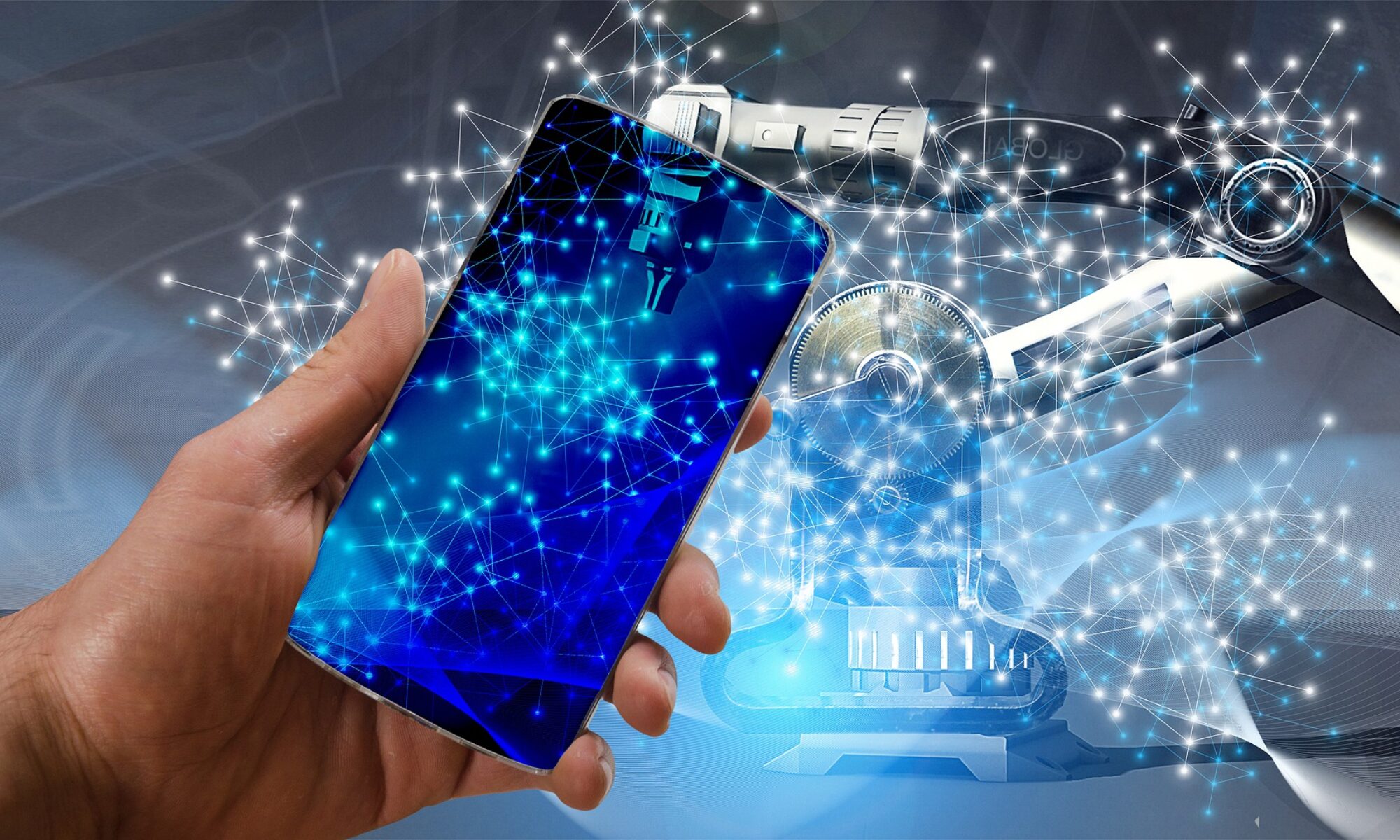
The integration of artificial intelligence (AI) with automation and robotics has the potential to revolutionize various sectors, including manufacturing, healthcare, transportation, and more. AI-driven automation can optimize processes, increase efficiency, and enhance productivity. By taking over repetitive and mundane tasks, robots powered by AI can free up human workers to focus on more creative and complex endeavors. This not only improves productivity but also creates new opportunities and promotes innovation.
One sector that stands to benefit greatly from AI-driven automation and robotics is manufacturing. With the use of AI algorithms, robots can be programmed to perform intricate tasks with precision and accuracy. This eliminates the risk of human error and ensures consistent quality in the production process. Additionally, AI-driven robots can work 24/7 without the need for breaks or rest, leading to increased production output and reduced costs.
In the healthcare industry, AI-driven robots are transforming the way medical procedures are performed. Surgical robots, for example, can assist surgeons in performing complex surgeries with greater precision and control. These robots can analyze medical images, provide real-time feedback, and even perform delicate procedures that would otherwise be challenging for human hands. This not only improves patient outcomes but also reduces the risk of complications.
Furthermore, AI-driven robots can help us overcome various challenges. For instance, they can assist in disaster response by entering dangerous environments and performing tasks that may be life-threatening. In the aftermath of a natural disaster, AI algorithms can analyze vast amounts of data from sensors and cameras to identify survivors, assess damage, and prioritize rescue efforts. This real-time information can be crucial in saving lives and minimizing the impact of such events.
Moreover, AI-driven automation and robotics have the potential to revolutionize transportation. Self-driving cars, powered by AI algorithms, can navigate roads more efficiently and safely than human drivers. These vehicles can analyze traffic patterns, make split-second decisions, and communicate with each other to avoid accidents. With the widespread adoption of self-driving cars, we can expect reduced traffic congestion, improved fuel efficiency, and increased accessibility for individuals who are unable to drive.
As we move forward, AI-driven automation and robotics will play a crucial role in transforming the way we live and work. From manufacturing to healthcare, transportation to disaster response, the integration of AI with automation and robotics opens up a world of possibilities. By harnessing the power of AI, we can optimize processes, enhance productivity, and overcome challenges that were once thought to be insurmountable. The future is bright, and AI-driven automation and robotics are at the forefront of this transformative journey.
Augmented Reality: Enhancing Our Interactions with the Environment
Augmented reality (AR) has gained significant attention in recent years, and its impact is expected to grow even further in 2023. AR technology enhances our perception of the real world by overlaying digital information onto our physical surroundings. This creates exciting possibilities in various fields, such as education, entertainment, healthcare, and even retail.
In education, AR can provide immersive learning experiences by bringing complex concepts to life. Students can interact with virtual objects and visualize abstract ideas, making learning more engaging and effective. For example, in a biology class, students can use AR to explore the human anatomy in 3D, allowing them to examine organs and systems in detail. This hands-on approach not only deepens their understanding but also sparks curiosity and fosters a love for learning.
In the entertainment industry, AR can enhance gaming experiences by blending virtual elements with the real world, creating an immersive and interactive environment for players. Imagine playing a game where you have to navigate through a real-life city, but with virtual obstacles and challenges popping up along the way. This merging of the physical and digital realms adds a new level of excitement and engagement to traditional gaming experiences.
Additionally, AR has significant potential in healthcare. Surgeons can use AR to visualize patient data in real-time during complex surgeries, improving precision and reducing the risk of errors. By wearing AR glasses, surgeons can see vital information, such as a patient’s medical history, current vital signs, and even real-time imaging results, all without taking their eyes off the surgical field. This seamless integration of information allows for more efficient decision-making and ultimately leads to better patient outcomes.
AR can also be used for remote collaboration in healthcare, allowing experts to guide medical professionals in performing procedures in different locations. For example, a specialist located in a different city can use AR technology to virtually “step into” the operating room and provide real-time guidance to a surgeon. This not only improves access to specialized expertise but also enables more efficient and cost-effective healthcare delivery, particularly in underserved areas.
As AR technology continues to evolve, it holds great promise for enhancing our interactions with the environment and improving various aspects of our lives. From education to entertainment to healthcare, AR has the potential to revolutionize how we learn, play, and care for one another. With its ability to seamlessly blend the physical and digital worlds, AR opens up a whole new realm of possibilities, making our experiences more immersive, engaging, and meaningful.
Blockchain: A Decentralized Tool for Securing Data
In an increasingly digital world, data security is of utmost importance. With the rise of cyber threats and privacy concerns, organizations and individuals are seeking innovative solutions to protect their sensitive information. One such solution is blockchain technology, which offers a decentralized approach to safeguarding data.
Unlike traditional databases, which rely on a central authority for validation, blockchain operates on a distributed network, where multiple participants verify transactions. This decentralized nature of blockchain ensures that data stored on the network is tamper-resistant and secure. Each transaction is recorded in a “block” and linked to the previous transaction, creating a chain of blocks. This chain is replicated across multiple nodes in the network, making it nearly impossible for hackers to manipulate the data.
Furthermore, blockchain provides transparency and immutability, making it useful in industries where trust and accountability are crucial. For example, in supply chain management, blockchain can track the journey of products from the source to the consumer, ensuring authenticity and reducing counterfeiting. Each step in the supply chain can be recorded on the blockchain, creating an immutable record that can be accessed by all stakeholders. This level of transparency not only increases trust but also enables faster and more efficient processes.
Moreover, blockchain has the potential to revolutionize the financial sector. By enabling secure and transparent transactions, blockchain technology can facilitate peer-to-peer payments, streamline cross-border transfers, and even reduce the need for intermediaries. Traditional financial systems often involve multiple intermediaries, such as banks and payment processors, which can slow down transactions and increase costs. With blockchain, transactions can be executed directly between parties, eliminating the need for intermediaries and reducing transaction fees.
As we look towards 2023, blockchain will continue to play a significant role in securing data and transforming various sectors. Its decentralized nature, transparency, and immutability make it an ideal tool for ensuring the integrity and security of sensitive information. From supply chain management to finance, blockchain has the potential to revolutionize industries and empower individuals and organizations with greater control over their data.
In conclusion, blockchain technology offers a decentralized approach to securing data. Its tamper-resistant and transparent nature makes it an ideal solution for industries where trust and accountability are paramount. As we embrace the digital age, blockchain will continue to evolve and shape the way we secure and manage data.
5G Networks: Supercharging Connectivity and Speed
The fifth generation of wireless technology, known as 5G, is set to revolutionize mobile communications. With faster speeds, lower latency, and increased capacity, 5G networks can supercharge connectivity and enable a wide range of innovative applications.
One of the most notable benefits of 5G is its ability to support the Internet of Things (IoT) ecosystem. With millions of connected devices, ranging from smart homes to autonomous vehicles, 5G networks can handle the massive amounts of data generated and facilitate seamless communication between devices. This opens up possibilities for smart cities, where interconnected systems can optimize energy usage, improve traffic management, and enhance overall efficiency.
Furthermore, 5G networks can transform industries that rely on real-time data, such as healthcare and manufacturing. Remote surgeries, telemedicine, and real-time monitoring of industrial processes are just a few examples of how 5G can revolutionize these sectors.
Biotechnology
Biotechnology, a field that combines biology and technology, is on the verge of significant breakthroughs. From genetic engineering to personalized medicine, biotechnology has the potential to revolutionize healthcare and improve the quality of life.
Advances in genetic engineering allow scientists to modify the DNA of organisms, opening up possibilities for creating disease-resistant crops, developing new treatments for genetic disorders, and even curing previously incurable diseases. In personalized medicine, biotechnology can analyze an individual’s genetic makeup to identify potential health risks and design customized treatment plans.
Biotechnology also plays a crucial role in environmental conservation. By harnessing the power of microorganisms, scientists can develop sustainable alternatives to traditional manufacturing processes, reducing our reliance on fossil fuels and minimizing environmental impact.
As we look towards 2023, the potential of biotechnology to address pressing global challenges, improve healthcare, and promote sustainable practices cannot be overstated.
2023 holds great promise for the advancement of these emerging technologies. As they continue to develop and penetrate various industries, they bring with them the potential to create a better future for all. From transforming the way we live and work to enhancing our interactions with the environment, these technologies have the power to shape the world we live in. Embracing and harnessing the potential of AI-driven automation, augmented reality, blockchain, 5G networks, and biotechnology will be essential for reaping the benefits and building a brighter future for generations to come.